Contribution Institute
Contribution OS
The human decision layer for AI-operated organizations.
As more of the work is done by machines, organizations still need a place where people can contribute judgment. Contribution OS is that place. It turns observations, disagreements, and evidence into decisions, experiments, and things the organization can actually learn.
The gap
AI can operate. It cannot decide what matters.
Dashboards, agents, and automation can move work faster than any team. They cannot tell you which assumption is wrong, whose evidence is missing, or whether a result is worth repeating. When those questions have nowhere to go, people perform busyness instead of contributing — and the organization learns nothing.
Two connected systems
People decide. Work executes. Learning returns.
Contribution OS
Where humans notice problems, contribute insight, challenge assumptions, make decisions, and interpret what happened. This is the layer of judgment.
Execution OS
Where approved decisions become campaigns, websites, content, experiments, and agent work. This is the layer of delivery — always tied back to the decision that authorized it.
How it works
A loop, not a dashboard.
01
Observe
Signals, tensions, and wasted potential enter as contributions — not as tickets to close.
02
Contribute
People add evidence, disagreement, and judgment in the open, so the best argument can win.
03
Decide
A Decision Room turns deliberation into a recorded choice: what we will try, and why.
04
Experiment
The decision is tested. Results come back attached to the original question, not a generic report.
05
Execute
What works becomes real work: campaigns, pages, agents, and operating changes.
06
Learn
Confirmed learning is stored so the next mission starts wiser than the last.
What people bring
Not activity. Contribution.
- Observations from the work itself
- Ideas before they are polished
- Evidence that can be checked
- Disagreement that improves the decision
- Judgment about what is worth doing
- Direction the organization can reuse
Library
The ideas, told as books.
Read the stories and research behind this work. Digital editions, chapter by chapter — reading only, with no file download.
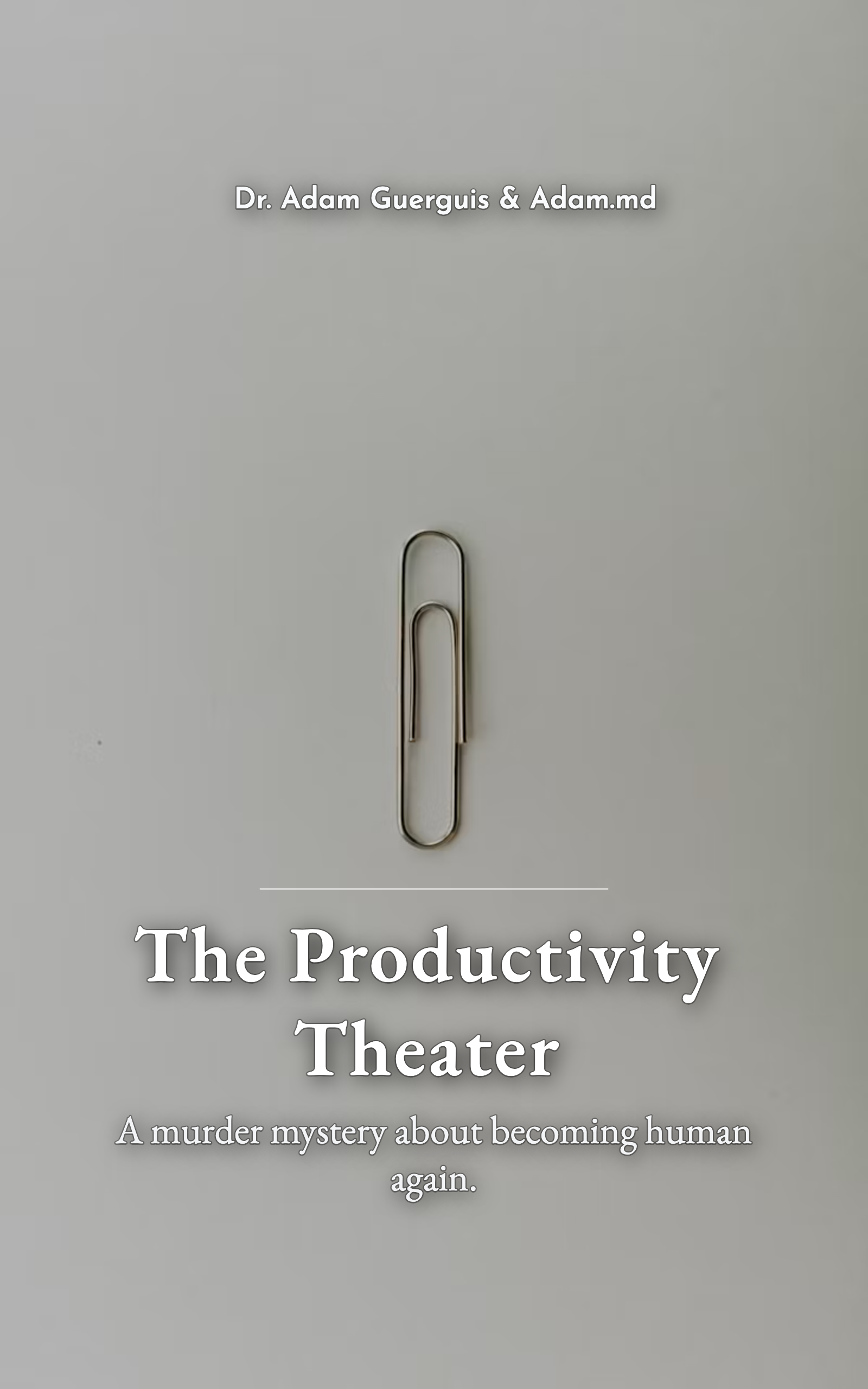
Digital edition
The Productivity Theater
A detective investigates an AI deletion in a future workplace.
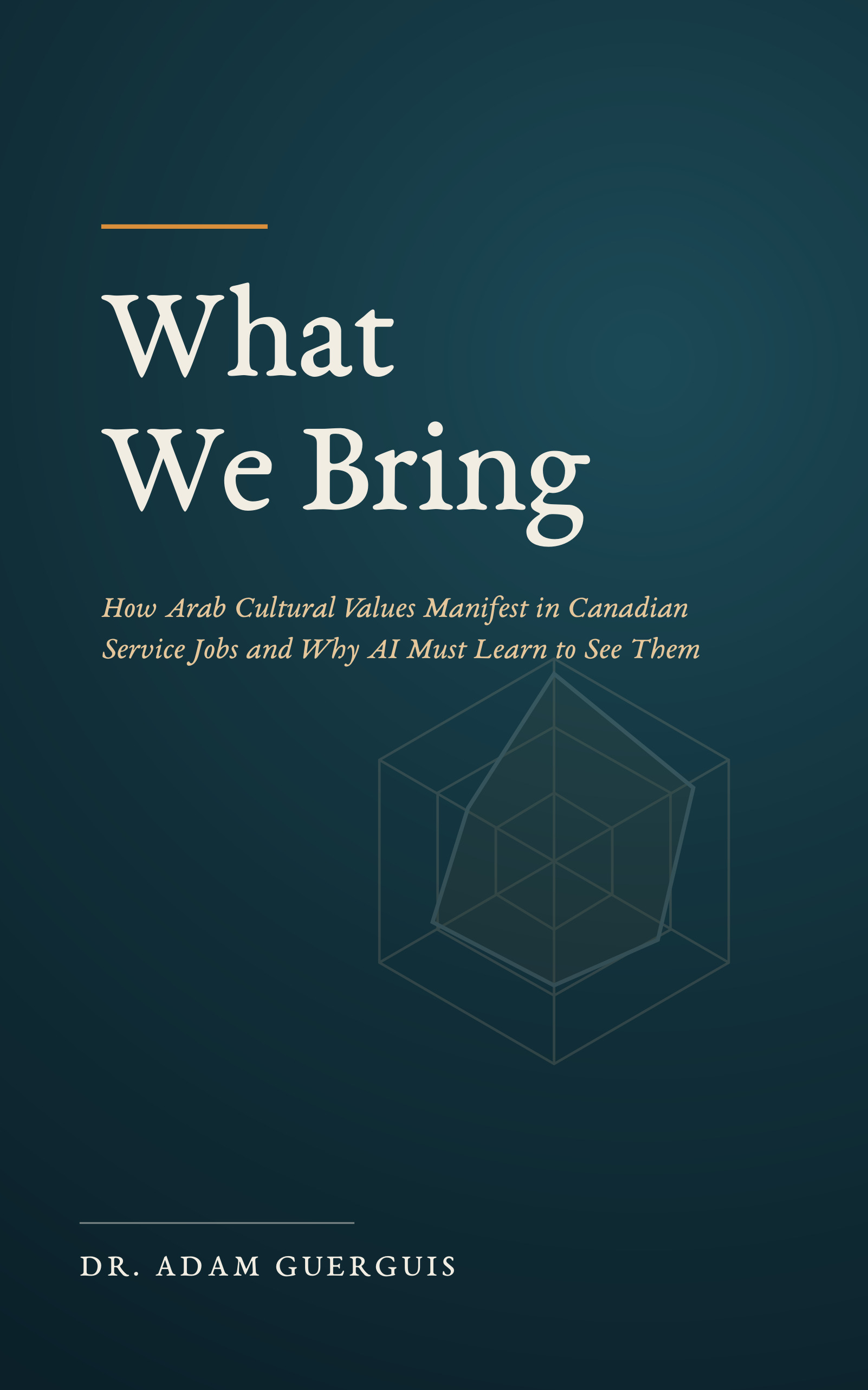
Digital edition
What We Bring
How Arab cultural values show up in Canadian service jobs — and why AI must learn to see them.